.png)
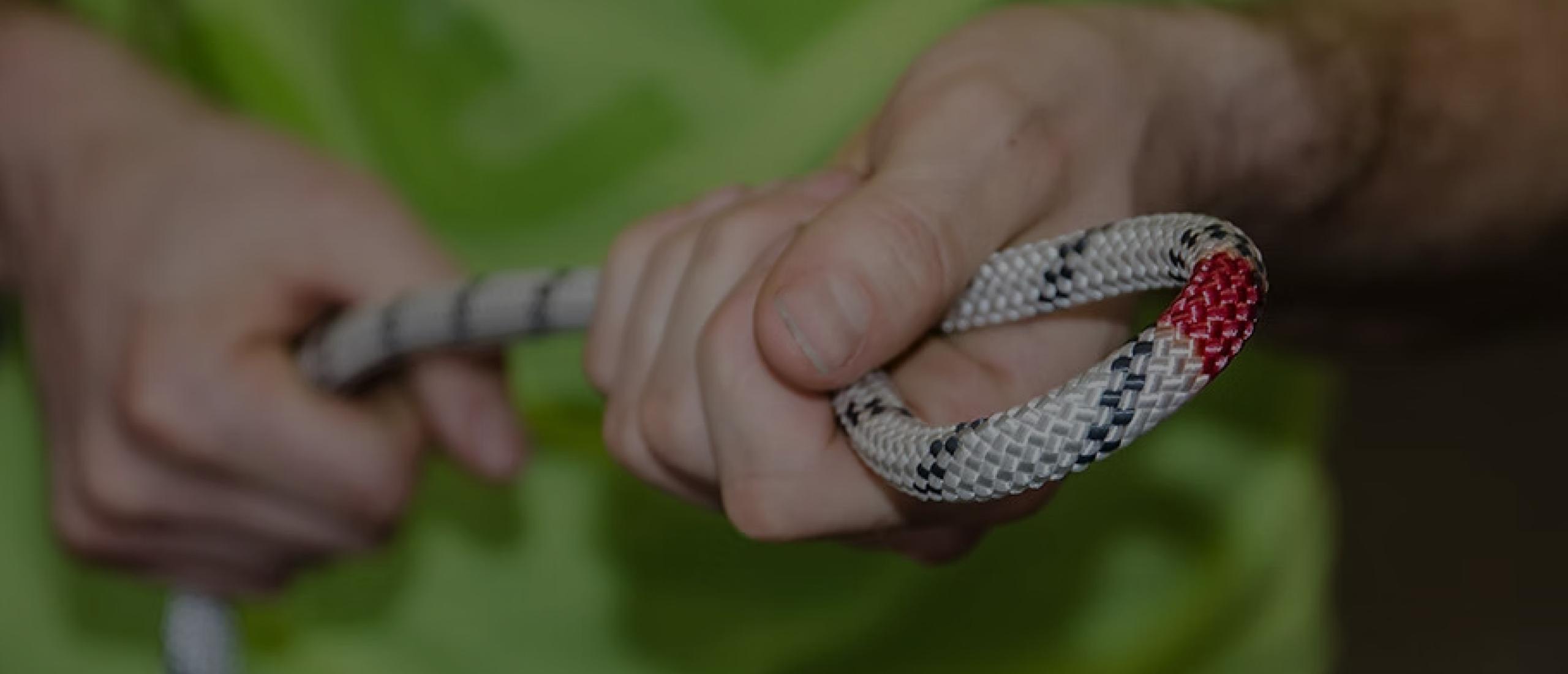
Whether on a worksite or an adventure installation, your rope is one of the most critical pieces of safety equipment. Regular inspection isn’t optional — it’s essential to ensure reliability, longevity, and compliance with safety standards.
At Elevate GCC, we work with top brands and facilities across the Gulf to ensure their PPE is not only top-tier — but also properly maintained. Here’s a practical guide to help you inspect your ropes with confidence.
What Should You Check?
A rope inspection should focus on three main areas:
- Sheath and Core Condition
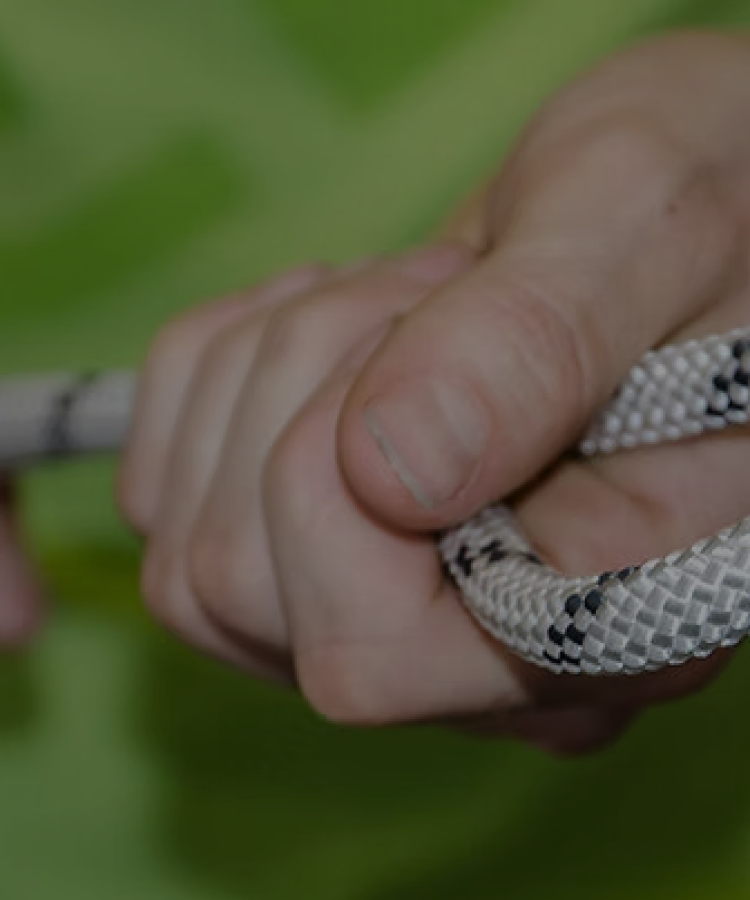
Run the rope through your hands. Feel for soft spots, hard areas, or uneven thickness. These may signal core damage or internal wear. Look closely for signs of fraying, cuts, or excessive fuzziness on the outer sheath.
- Discoloration or Burns
Changes in color or glossy spots could indicate heat damage — often caused by friction or chemical exposure. Such damage compromises the rope’s strength and integrity.
- Contamination
Check for embedded debris like sand, dust, or oil. These particles can work their way into the fibers, causing accelerated wear over time.
When Should You Retire a Rope?
Even if it hasn’t been subjected to a fall or visible damage, a rope should be retired if:
- It feels unusually stiff or soft.
- You notice major sheath wear or cuts.
- It has been exposed to chemicals or extreme temperatures.
- It’s reached its recommended lifespan (as per the manufacturer’s guidelines).
Pro tip: Always follow the manufacturer’s instructions for maximum lifespan and use frequency. And when in doubt — retire the rope. Your safety is worth more than a few meters of cord.
Need a Second Opinion?
At Elevate, we support facilities with onsite gear checks, product training, and expert advice. If you’re unsure about the condition of your rope or need help building a maintenance checklist, we’re here to assist.
Get in touch to schedule a consultation or speak to our team about rope care and inspection best practices.